Family

The 5 Best Baby Sleep Sacks for Hong Kong's Cooler Nights 2026

Updated 15 November 2026

852 Picks may earn a commission on purchases made through links in this article.

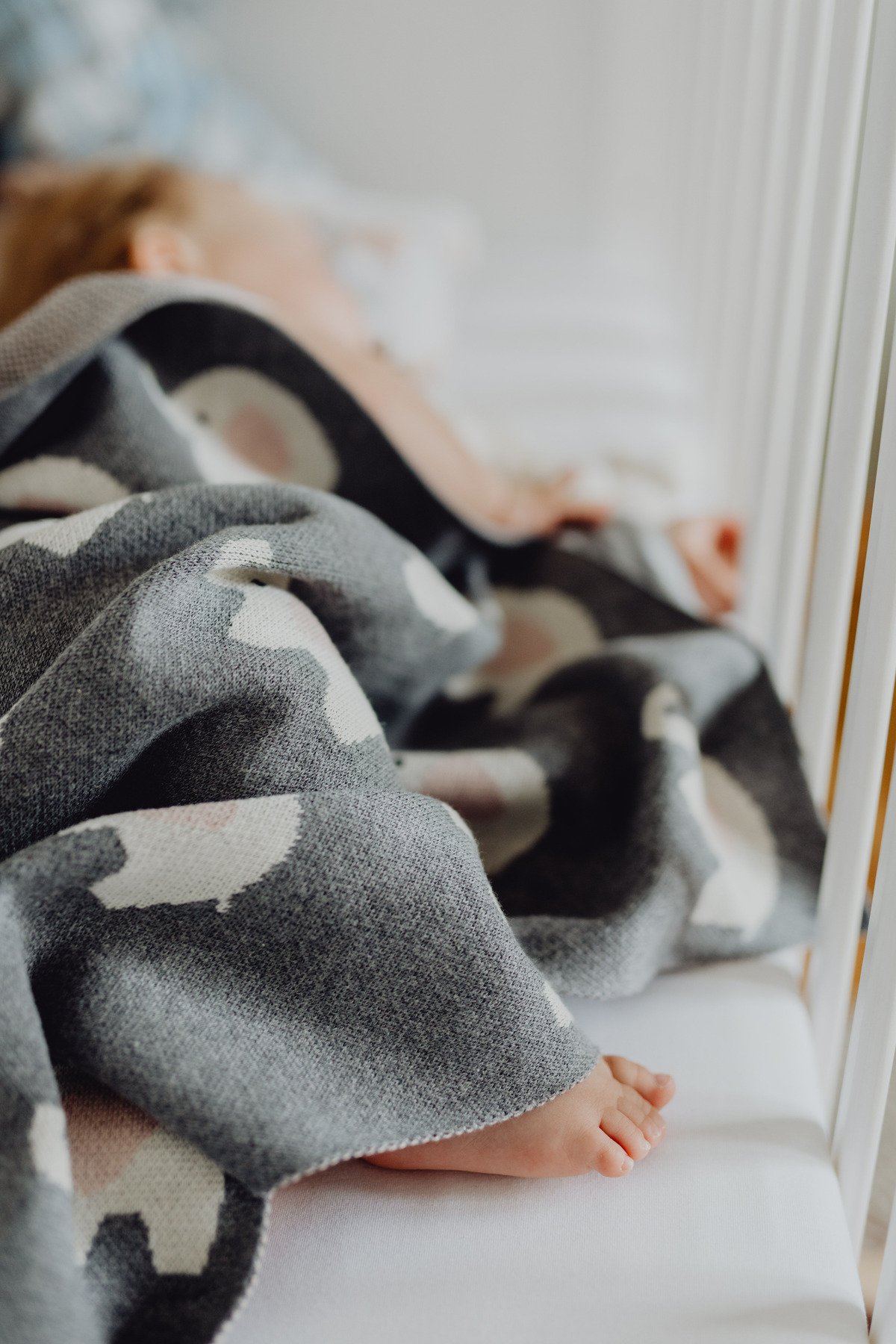
A baby sleeping on its side in a white crib, mostly covered by a grey knit blanket with pale animal shapes, with one bare foot visible at the edge of the blanket and white crib bars in the foreground.

Illustrative. Illustrative image — Photo by Kaboompics · Source · Pexels License · resized/re-encoded

The Bottom Line

Buy two sleep sacks before the first proper cold front, and pick by room, not by brand

My recommendation is two mid-weight, sleeveless, zip-front sacks in breathable cotton, so one is always clean while the other dries. There is no real order-by date, because the deadline is the weather. Check the Hong Kong Observatory 9-day forecast and buy when the minimums start dropping. I can't give a supported HKD price: my research pack had no retailer pricing, and I won't invent one. Check the current price on the product page before you pay.

Quick List: five use cases, not five brands
  1. The air-con bedroom sack — for flats where the AC runs on a cool setting overnight. Buy before the first dip below your usual AC comfort level.
  2. The light layer for mild nights — thin cotton or muslin, for the in-between weeks when it's cooler outside but still humid indoors.
  3. The cold-snap sack — the warmest one you'll own. Most families only need it for a handful of nights, so don't overspend.
  4. The spare, quick-dry sack — your no-dryer insurance. Buy it with the first one, not after the first 3am accident.
  5. The travel and grandparents' sack — a second sack that lives at the grandparents' flat, so nobody improvises with a loose blanket.

It's 3am, you've stumbled to the cot, and the baby's hands feel cold. Your first instinct is to pile something on. I have two kids and I know that instinct well. It's also exactly the moment a sleep sack is meant to take over, because a properly fitted one keeps baby warm without loose bedding. That's why I'd rather sort this out in daylight.

The limits of this guide. My research pack for this piece had no product listings, prices or stock information, and the two safe-sleep guidance pages I tried to cite (an American Academy of Pediatrics page and a US Consumer Product Safety Commission page) could not be verified. I also haven't tested any sleep sacks for this article. So I'm not going to hand you a ranked list of brands with made-up prices. What I can give you is how I'd choose, based on Hong Kong conditions and the safety checks that matter.

Safety first: check these before you check the cute print

Use these as questions to check against the product label and the guidance you get from your paediatrician or Maternal and Child Health Centre. I couldn't confirm them against the supplied sources.

  • Sized to your baby. The neck and armholes should be snug enough that baby can't slip down inside. The sack shouldn't have a hood.
  • Nothing extra on top. A sleep sack is meant to replace loose blankets in the cot, not sit under one.
  • Read the warmth guidance on the label. Reputable makers print a warmth rating or a room-temperature guide. Follow theirs, not a grandparent's guess.
  • Watch for overheating. Check the back of baby's neck or chest, not the hands. Cold hands are normal. A sweaty neck means too much.

The Department of Health lists a Family and Student Health Branch on its homepage. That's where I'd start for official local advice, although the page I fetched didn't contain sleep guidance itself.

Which sleep sack for which Hong Kong night

Hong Kong's "cold" is a funny thing. The HKO climate page gives monthly climate normals for 1991–2020, and it shows 2018's lowest temperature up to late August was 6.8°C on 1 February. That figure is a 2018 snapshot, not a forecast, but it makes the point: we get a few sharp cold nights, not months of them. Most winter nights in a Hong Kong flat are decided by your air-conditioner, not the outdoor temperature.

So compare use cases, not feature lists:

Use caseWhat to look forPrice (HKD)Order by
Mid-weight cotton, sleeveless, zip front Our PickBreathable fabric, a warmth rating on the label, a two-way zip for 3am nappy changesCheck current priceBefore the first cold front
Light muslin or thin cottonQuick drying, suitable for the mild-but-humid weeksCheck current priceNo fixed deadline
Warmest sack for cold snapsA clear label rating, and a fit that stays snug at the neckCheck current priceCheck the 9-day forecast
Spare quick-dry sackThin enough to dry overnight in a flat with no dryerCheck current priceBuy with the first one
Second sack for grandparents' flat or travelSame warmth rating as home, so the routine stays identicalCheck current priceBefore your first overnight visit

Why I'd pick the mid-weight sack as the one to buy first

Most Hong Kong bedrooms are small, often well under 400 sq ft once the cot is in, and they swing between air-conditioned and muggy. A mid-weight cotton sack covers the widest range of those nights. It's the "good enough" pick, and it won't cost you the price of a splurge sack with a designer print. If you have a helper doing night checks, a simple zip and clear label are worth more than any extra feature, because they cut the guesswork at 3am.

The splurge, if you want one, is a second heavier sack for the few really cold nights. Most families don't need it. If the forecast shows only one or two cold nights, you could also consider borrowing one from a friend whose baby has outgrown it, provided it's clean, undamaged and the right size.

The no-dryer reality: why you need two

A sleep sack has an accident roughly when you least want it to. If you only own one, it's in the wash at 9pm and baby is wearing something else at midnight. Humidity is the second problem, since the HKO homepage lists relative humidity as a core reading and, in my experience of Hong Kong flats, a thick sack can stay damp for a full day on an indoor rack. That's why the spare should be thin. Buy both at once, wash both before first use, and rotate them.

Where to check and when

I haven't verified stock or delivery times at any retailer, so treat this as a shopping route, not a guarantee. HKTVmall and baby-specialty shops are the obvious places to compare. Check size charts against your baby's current weight and length, not their age. Allow a few days for delivery and don't leave the purchase until the night the temperature drops.
Where to Buy
HKTVmall and baby-specialty shops are worth comparing. Stock and prices not verified for this article.
Order Deadline
No fixed date. Buy before the first cold front shows on the HKO 9-day forecast.
Delivery
Varies by retailer. Confirm at checkout and leave a few days' margin.

Back to that 3am moment: the best time to decide what baby wears is at 3pm, with the forecast open and both sacks already washed and folded. The panic-pile of blankets is what you're trying to avoid.

Frequently Asked Questions

When should I buy a baby sleep sack for Hong Kong's cooler nights?

Buy before the first cold front rather than on the night it arrives. There's no retailer deadline I can verify. Watch the HKO 9-day forecast at hko.gov.hk and order when minimums begin to fall, allowing a few days for delivery.

How many sleep sacks does a baby need in Hong Kong?

Two is the practical minimum. With no dryer and humid indoor air, one sack is always in the wash. Add a third, heavier one only if your baby sleeps in a room that gets properly cold.

Can I put a blanket over a baby in a sleep sack?

I'd say no. The point of the sack is to replace loose bedding in the cot. I couldn't verify safe-sleep guidance from the sources supplied, so confirm this with your paediatrician or Maternal and Child Health Centre.

How do I know if my baby is too hot or too cold in a sleep sack?

Feel the back of the neck or chest. Cold hands and feet are normal, while a sweaty or flushed neck means too many layers. Follow the warmth guidance printed on the label, and check with your paediatrician if you're unsure.

Do I need a special sleep sack if I use air-con at night?

Not a special one, but the AC setting matters more than the outdoor temperature. Pick the sack by what your bedroom actually feels like at 2am, and use the label's guidance to match warmth to room temperature.

VC
Vivian Chan
Family & Lifestyle Editor at 852 Picks

Vivian is a mum of two who tests everything on her own kids before recommending it to yours. She writes about baby and family life in small Hong Kong flats. This article is based on source research, not hands-on product testing.

重點結論

第一波冷空氣來之前買兩個睡袋,揀的時候睇睡房環境,唔好睇牌子

我建議買兩個中等厚度、無袖、前面有拉鍊嘅純棉透氣睡袋,一個洗、一個着,永遠有一個乾淨。呢件事冇真正嘅截單日期,因為死線就係天氣。去睇吓香港天文台九天天氣預報,見到最低溫開始跌就落單。至於港幣價錢,我手上嘅資料冇零售商報價,所以我唔會亂咁寫一個數字出嚟。付款前,請以商品頁面嘅最新價錢為準。

快速清單:五種使用情況,唔係五個牌子
  1. 冷氣房睡袋 — 適合夜晚冷氣開得較凍嘅家庭。喺室內溫度跌穿你平時冷氣嘅舒適水平之前買好。
  2. 溫和天氣嘅薄身一層 — 薄棉或者 muslin 質料,適合室外轉涼、但室內仍然潮濕嘅過渡幾個星期。
  3. 寒流專用睡袋 — 你會擁有最保暖嗰個。大部分家庭一年只係用得幾晚,所以唔使花太多錢。
  4. 後備速乾睡袋 — 冇乾衣機嘅保險。同第一個一齊買,唔好等到半夜三點出事先買。
  5. 旅行同公公婆婆家用睡袋 — 第二個睡袋長駐喺公公婆婆屋企,費事長輩臨時攞張散裝毯仔俾BB蓋。

凌晨三點,你拖住疲倦嘅身體行到BB床邊,一摸,BB隻手冰冰凍。你第一個反應,一定係想即刻攞啲嘢蓋住佢。我係兩個孩子嘅媽媽,呢種心情我好明白。不過,呢個正正就係睡袋應該出場嘅時候,因為size啱嘅睡袋可以保暖,又唔使喺BB床入面放散裝被品。所以我寧願喺日頭有光、頭腦清醒嘅時候,先同你將件事想清楚。

呢篇指南嘅限制。我為呢篇文章搜集嘅資料入面,冇產品列表、價錢或者庫存資料。另外,我想引用嘅兩個安全睡眠指引頁面(美國兒科學會同美國消費品安全委員會),亦都未能核實。我亦冇為呢篇文章親身測試過任何睡袋。所以,我唔會俾你一個排名清單,再配上虛構嘅價錢。我可以同你分享嘅,係我會點樣根據香港嘅環境,同埋幾個重要嘅安全檢查去揀。

安全第一:未睇可愛圖案之前,先check呢幾樣

請將以下幾點當成問題,拿去對照產品標籤,同埋你兒科醫生或母嬰健康院俾你嘅意見。我未能根據手上嘅資料核實呢幾點。

  • size要啱BB。頸圍同手臂位要夠貼身,BB先唔會滑落入面。睡袋唔應該有帽。
  • 上面唔好再加嘢。睡袋係用嚟取代BB床入面嘅散裝被品,而唔係放喺毯仔下面再疊。
  • 睇清楚標籤上嘅保暖指引。有信譽嘅品牌會印上保暖等級或者室溫參考。跟佢哋嘅指引,唔好跟長輩嘅估計。
  • 留意有冇過熱。要摸BB後頸或者胸口,唔好摸手。手凍係正常嘅,後頸出汗就代表着得太多。

衞生署網頁上有列出家庭及學生健康服務。如果想搵本地官方意見,我會由呢度開始,不過我睇過嗰頁本身冇包含睡眠指引。

香港邊種夜晚配邊種睡袋

香港嘅「凍」其實幾得意。天文台氣候頁面提供咗1991至2020年嘅每月氣候平均值,而且顯示2018年截至八月底嘅最低溫度,係2月1日嘅6.8°C。呢個只係2018年嘅一個快照,並唔係預測,但足以說明一點:我哋只會有幾晚好凍,而唔係成幾個月都凍。所以,香港屋企冬天大部分夜晚舒唔舒服,其實由你部冷氣話事,而唔係室外溫度。

所以,比較嘅時候睇使用情況就夠,唔使死盯住功能列表:

使用情況揀嘅重點價錢 (HKD)落單時間
中等厚度純棉、無袖、前拉鍊 我嘅首選透氣布料、標籤上有保暖等級、雙向拉鍊方便凌晨三點換片請查看最新價錢第一波冷空氣來之前
薄身 muslin 或薄棉易乾,適合溫和但潮濕嘅星期請查看最新價錢冇固定限期
寒流專用最保暖款標籤有清楚嘅保暖等級,頸位着得貼身請查看最新價錢留意九天天氣預報
後備速乾睡袋夠薄,喺冇乾衣機嘅屋企一晚都可以風乾請查看最新價錢同第一個一齊買
公公婆婆家或旅行用第二個睡袋保暖等級同屋企嗰個一樣,睡覺流程就可以完全一致請查看最新價錢第一次過夜探訪之前

點解我會建議first買中等厚度嗰款

香港大部分睡房都細,放咗BB床之後往往遠低於400平方呎,而且一時開冷氣、一時又焗促潮濕。中等厚度嘅純棉睡袋,可以應付最多種呢類夜晚。佢係「夠用」嘅選擇,唔使你花錢買嗰啲有設計師圖案嘅貴價款。如果家裏有姐姐夜晚幫手睇BB,簡單嘅拉鍊同清楚嘅標籤,比任何額外功能都實用,因為可以減少凌晨三點嘅猜測。

如果想「寵一寵」自己,可以考慮再買多個較厚嘅睡袋,應付真正好凍嗰幾晚。不過大部分家庭都唔需要。如果天氣預報只係得一兩晚凍,你亦可以考慮同朋友借一個BB已經着唔落嘅,只要乾淨、冇損壞、size又啱就得。

冇乾衣機嘅現實:點解要買兩個

睡袋總係喺你最唔想發生意外嘅時候出事。如果你只有一個,晚上九點拎咗去洗,BB半夜十二點就要着第二樣嘢。潮濕係另一個問題,天文台首頁將相對濕度列為主要讀數,而我喺香港屋企嘅經驗係,一個厚身睡袋喺室內晾衣架上,可以成日都唔乾。所以後備嗰個要薄身啲。兩個一次過買,首次使用前都洗一洗,之後輪流着。

喺邊度睇、幾時睇

我未有核實任何零售商嘅庫存或送貨時間,所以請當呢段係購物路線,而唔係保證。HKTVmall 同嬰兒用品專門店都係比較嘅好地方。對尺碼表嘅時候,要以BB現時嘅體重同身長為準,唔好以年齡為準。送貨要預幾日時間,千祈唔好等到氣溫跌咗嗰晚先至落單。

購買地點
HKTVmall 同嬰兒用品專門店值得比較。本文未有核實庫存同價錢。
落單期限
冇固定日期。天文台九天預報一出現第一波冷空氣之前就買好。
送貨
因零售商而異。結帳時請確認,並預留幾日緩衝時間。

返回凌晨三點嗰一刻:最適合決定BB着咩嘅時間,其實係下午三點,天氣預報打開咗,兩個睡袋都洗好、摺好喺度。你要避免嘅,就係慌亂之中將一堆毯仔疊上去。

常見問題

香港天氣轉涼,幾時買BB睡袋最好?

喺第一波冷空氣來之前買,唔好等到嗰晚先買。我核實唔到有咩零售商截單日期。留意天文台 hko.gov.hk 嘅九天天氣預報,見到最低溫開始跌就落單,並預留幾日送貨時間。

喺香港,BB需要幾多個睡袋?

實際上最少要兩個。冇乾衣機,加上室內空氣潮濕,總會有一個喺洗緊。如果BB嘅睡房真係會好凍,先至再加第三個較厚嘅。

BB着咗睡袋,可唔可以再蓋被?

我會話唔好。睡袋嘅作用就係取代BB床入面嘅散裝被品。我未能根據手上嘅資料核實安全睡眠指引,所以請同你嘅兒科醫生或母嬰健康院確認。

點樣知道BB着睡袋會唔會太熱或太凍?

摸吓後頸或者胸口。手腳凍係正常,後頸出汗或者面紅就代表着得太多。請跟標籤上嘅保暖指引,如果有疑問,就問兒科醫生。

夜晚開冷氣,我需要特別嘅睡袋嗎?

唔使特別款,不過冷氣設定嘅影響比室外溫度大得多。要睇你睡房喺凌晨兩點真正係幾凍,再用標籤上嘅指引,配合室溫去揀保暖程度。

VC
Vivian Chan
852 Picks 家庭及生活欄目編輯

Vivian 係兩個孩子嘅媽媽,所有嘢都會先喺自己啲仔女身上試過,先至推薦俾你。佢專門寫香港細單位入面嘅育兒同家庭生活。本文根據資料搜集而成,並非產品實測。

VC

Vivian Chan

Family & Lifestyle Editor

Vivian tests everything on her two kids before she'll recommend it to yours.